
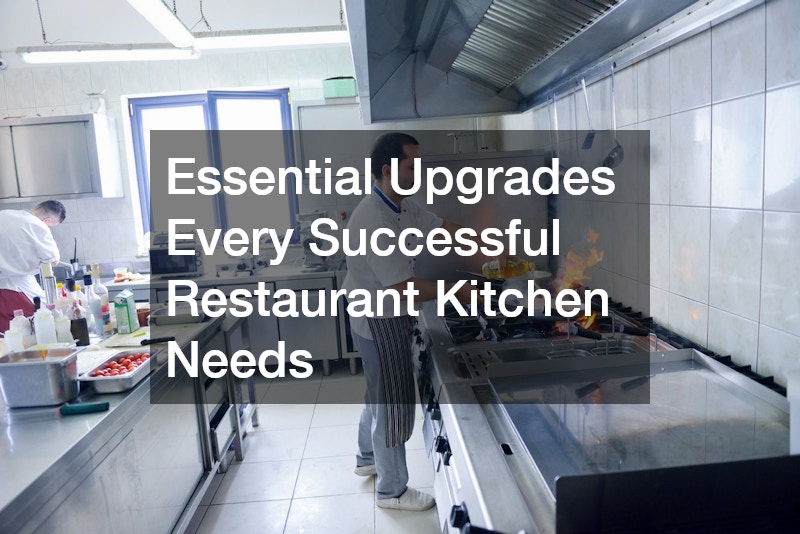
A successful restaurant kitchen is built on far more than skilled chefs and great recipes. Behind every consistent plate of food is a complex system of infrastructure, equipment, safety protocols, and operational design working together under high pressure. When any part of that system is outdated or inefficient, the entire business feels the impact—slower service, higher costs, safety risks, and reduced customer satisfaction.
Modern restaurant kitchens face increasing demands: higher customer volume, stricter health codes, tighter labor margins, and rising utility costs. At the same time, competition has intensified, making efficiency and consistency essential for survival. This is why strategic upgrades to core kitchen systems are no longer optional—they are critical investments in long-term success.
The following sections explore essential improvements that help restaurant kitchens operate more safely, efficiently, and profitably. Each upgrade addresses real operational challenges and provides actionable ways to strengthen performance, reduce risk, and support growth.
Improve Ventilation Systems for Safety and Workflow Efficiency
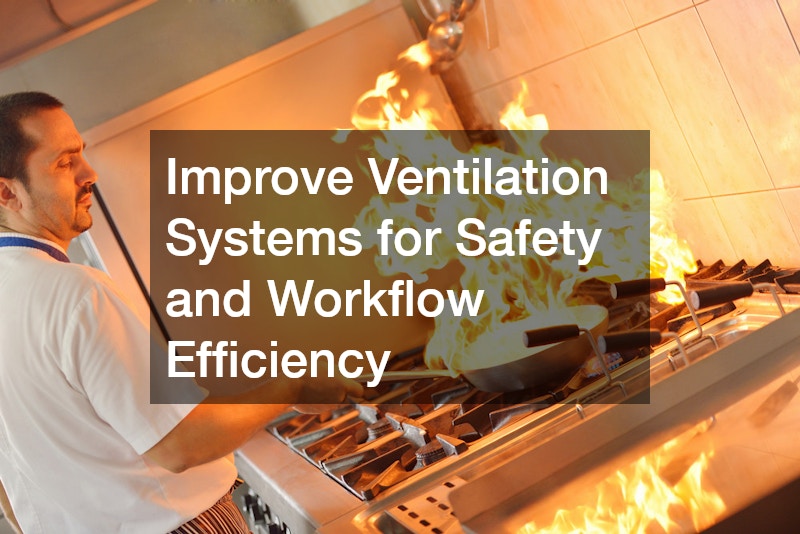
A restaurant kitchen generates constant heat, smoke, grease particles, and airborne contaminants. Without proper ventilation, these conditions quickly become hazardous and uncomfortable for staff while also creating compliance risks.
Upgrading ventilation systems improves both safety and productivity by keeping air quality stable during peak hours.
A key upgrade area involves installing or modernizing a restaurant kitchen hood system that effectively captures grease-laden air and exhausts it safely outside. Older systems often struggle to keep up with modern cooking equipment, leading to buildup and inefficiency.
Key improvements to consider:
- Upgrade to high-efficiency exhaust fans
- Ensure proper hood coverage over all cooking surfaces
- Install variable-speed controls for energy efficiency
- Add fire suppression integration systems
- Improve the make-up air balance for consistent airflow
Better ventilation directly impacts employee performance. When heat and smoke are reduced, staff fatigue decreases, and workflow becomes more consistent during busy service periods. It also reduces grease accumulation on walls, ceilings, and equipment, lowering long-term cleaning costs.
Routine maintenance is equally important:
- Clean filters weekly or bi-weekly, depending on volume
- Inspect ductwork for buildup or blockages
- Test fire suppression systems regularly
- Schedule professional inspections for compliance
A well-designed ventilation system is not just a comfort feature—it is a critical safety requirement and operational foundation for any high-performing kitchen.
Upgrade Waste and Plumbing Systems for Cleaner Operations
Restaurant kitchens produce large volumes of grease, food waste, and wastewater daily. Without proper systems in place, this waste can quickly lead to plumbing failures, foul odors, and even health code violations.
One of the most important upgrades involves installing properly sized commercial grease traps that capture fats, oils, and grease before they enter the plumbing system. Without this barrier, grease buildup can clog pipes, slow drainage, and cause costly backups during service hours.
Benefits of upgraded grease management systems:
- Reduced risk of plumbing blockages
- Improved sanitation compliance
- Fewer emergency maintenance calls
- More efficient kitchen cleanup processes
To further enhance sustainability and reduce waste costs, many restaurants implement grease recycling programs. These systems collect used cooking oil and convert it into reusable energy sources such as biodiesel.
Advantages of grease recycling include:
- Lower waste disposal costs
- Environmentally friendly operations
- Potential revenue from used oil collection
- Improved sustainability branding
Additional best practices include:
- Regular grease trap cleaning schedules
- Staff training on proper disposal procedures
- Routine plumbing inspections
- Installing strainers on all drains
Efficient waste systems protect the kitchen’s foundation and prevent small issues from escalating into major operational disruptions.
Strengthen Electrical Systems for Modern Kitchen Demands
Today’s restaurant kitchens rely heavily on electrical systems to power ovens, refrigeration units, fryers, POS systems, lighting, and ventilation equipment. As restaurants expand or upgrade appliances, outdated electrical infrastructure often becomes a major bottleneck.
Investing in professional commercial electrical services ensures that wiring, panels, and circuits are capable of handling modern energy demands safely and efficiently.
Key electrical upgrades include:
- Upgrading electrical panels for higher capacity
- Rewiring outdated circuits
- Installing dedicated lines for high-load equipment
- Adding surge protection systems
- Improving energy-efficient lighting
Electrical failures are not just inconvenient—they can shut down an entire kitchen during peak hours, leading to lost revenue and spoiled inventory. Preventative upgrades significantly reduce this risk.
Additional considerations:
- Conduct annual electrical load assessments
- Replace worn or overloaded outlets
- Ensure compliance with local safety codes
- Install backup power systems for critical equipment
A well-designed electrical system ensures consistent performance and reduces unexpected downtime, which is essential in a high-volume food service environment.
Improve Project Coordination During Kitchen Renovations
Upgrading a restaurant kitchen often involves multiple contractors, timelines, permits, and inspections. Without proper coordination, even small renovation projects can result in delays, budget overruns, and extended closures.
This is where commercial construction management becomes essential. It ensures that every phase of the project—from design to completion—is properly scheduled, supervised, and aligned with operational goals.
Benefits of structured construction management:
- Reduced downtime during renovations
- Better budget control and forecasting
- Improved contractor coordination
- Faster permitting and inspection processes
Effective project planning includes:
- Detailed renovation timelines
- Clear communication between vendors
- Phased construction scheduling
- Risk management planning for delays
Kitchen layout design should also be carefully considered during upgrades. Improving workflow efficiency can significantly reduce prep time and improve service speed.
Key layout improvements include:
- Reducing unnecessary staff movement
- Positioning cooking stations logically
- Separating raw and cooked food zones
- Improving storage accessibility
Strong construction management ensures that upgrades enhance operations rather than disrupt them.
Enhance Interior Surfaces for Durability and Cleanliness

Restaurant kitchens are high-moisture, high-traffic environments where surfaces must withstand constant cleaning, heat exposure, and heavy use. Worn or outdated finishes can harbor bacteria, absorb moisture, and create sanitation risks.
Upgrading surfaces with durable commercial-grade materials improves hygiene and extends the lifespan of kitchen interiors.
Professional commercial painting companies specialize in coatings designed specifically for food service environments. These coatings resist grease, moisture, and chemical cleaners while maintaining a clean, professional appearance.
Key surface upgrades include:
- Epoxy floor coatings for slip resistance
- Moisture-resistant wall coatings
- Heat-resistant ceiling finishes
- Antimicrobial surface treatments
Benefits include:
- Easier daily cleaning
- Improved sanitation compliance
- Longer-lasting surfaces
- Better overall kitchen appearance
Regular maintenance should include:
- Deep cleaning schedules
- Touch-up painting for high-wear areas
- Moisture inspections near sinks and prep stations
- Mold and mildew prevention treatments
Durable interior surfaces play a major role in both food safety and operational efficiency.
Protect the Building Exterior and Roofing Systems
The exterior structure of a restaurant is just as important as its kitchen. Roof leaks, poor insulation, or structural damage can quickly disrupt operations, damage inventory, and create unsafe working conditions.
Hiring a qualified roofing contractor ensures that the building remains protected from weather-related damage and long-term structural issues.
Key roofing improvements:
- Regular roof inspections and maintenance
- Waterproof membrane installation
- Improved drainage systems
- Reinforced flashing around vents and exhaust outlets
Restaurant roofs face additional stress due to kitchen ventilation systems that release heat and grease particles. Without proper maintenance, these systems can degrade roofing materials over time.
Preventative steps include:
- Seasonal inspections before heavy rain or storms
- Clearing debris from drainage systems
- Repairing minor leaks immediately
- Monitoring ventilation exit points for wear
A strong roof system protects not only the building but also expensive kitchen equipment and food inventory inside.
Upgrade Security Systems for Protection and Accountability

Restaurant kitchens handle valuable equipment, cash transactions, inventory, and staff activity all within a fast-paced environment. Security is essential for protecting assets and reducing liability risks.
Installing a modern security camera system helps restaurant owners monitor operations in real time and review incidents when necessary.
Key security improvements:
- High-definition cameras in all critical areas
- Coverage for entry points and storage rooms
- Remote viewing capabilities via mobile devices
- Motion detection and alerts
Security systems provide multiple benefits:
- Theft prevention and deterrence
- Employee safety monitoring
- Incident documentation for insurance claims
- Improved operational oversight
Additional security measures include:
- Controlled access systems for restricted areas
- Alarm integration for off-hours protection
- Secure cash handling procedures
Strong security infrastructure protects both physical assets and business reputation.
Strengthen Branding and Customer Visibility
While kitchen performance is critical, a restaurant’s exterior branding plays a major role in attracting customers and establishing identity in a competitive market. In many cases, the signage is the very first interaction a potential customer has with the business, and that first impression can strongly influence whether they choose to stop in or drive past. Even restaurants with excellent food and service can struggle if their exterior presentation is outdated, hard to read, or inconsistent with the brand experience inside.
Working with a professional sign company ensures that signage is both visually effective and compliant with local regulations. This goes beyond simply designing something attractive. Professionals understand how to balance visibility, font readability, lighting conditions, traffic speed, and placement so the sign performs well in real-world conditions. They also help navigate permitting requirements and zoning rules, which can prevent costly redesigns or compliance issues later. A well-executed sign strategy ensures customers can locate the restaurant quickly and easily, even in busy commercial areas with heavy visual competition.
Exterior illuminated signage plays a major role in nighttime visibility. When designed correctly, lighting ensures the restaurant remains noticeable after sunset and during poor weather conditions such as rain or fog. Proper illumination also helps reinforce brand recognition, as customers begin to associate the lighting style, color temperature, and design with the business itself. This consistent visibility can significantly increase impulse visits from drivers who may not have planned to stop but are drawn in by clear, well-lit signage.
Directional signage for parking and pickup areas is equally important for improving the customer experience. Clear guidance reduces confusion when guests arrive on the property, especially during peak hours when traffic flow becomes more complex. Well-placed directional signs help separate dine-in, curbside pickup, delivery, and employee areas, preventing congestion and improving overall efficiency. When customers can easily navigate the property without frustration, it creates a smoother and more positive first impression before they even enter the building.
Updated branding for consistency is another critical improvement that strengthens recognition and trust. When exterior signage matches interior décor, menus, uniforms, and digital presence, it creates a unified identity that feels intentional and professional. Inconsistent branding, on the other hand, can make a restaurant feel disjointed or outdated. Updating logos, typography, and color schemes on exterior signage ensures the business reflects its current identity and appeals to modern customer expectations.
Menu boards and promotional displays further enhance communication with customers by allowing them to preview offerings before entering the restaurant. This can improve decision-making speed, reduce ordering bottlenecks, and even increase average ticket size when featured items or specials are clearly highlighted. In some cases, exterior-facing menus or window displays also help attract passersby who are deciding where to eat, especially in high-traffic areas with multiple dining options.
A custom sign can significantly enhance brand recognition and make the restaurant more memorable to customers. Unlike generic signage, a custom design reflects the restaurant’s personality, cuisine style, and target audience. It can also become a visual landmark that customers use when giving directions or recommending the location to others. Over time, this familiarity builds a stronger local presence and helps the business stand out in a crowded marketplace.
Beyond aesthetics, upgraded signage reinforces professionalism and strengthens the restaurant’s visual identity. Customers often subconsciously associate high-quality signage with high-quality food and service. This perception matters, especially for first-time visitors who rely heavily on visual cues to judge credibility and trustworthiness. A polished exterior can set expectations before a single dish is served.
The benefits of upgraded signage are both immediate and long-term. Increased walk-in traffic is often one of the first noticeable improvements, as better visibility naturally attracts more attention from nearby foot and vehicle traffic. Stronger brand recognition develops over time as customers repeatedly encounter consistent visual elements. Improved customer navigation reduces confusion on-site, making visits smoother and more enjoyable. Better marketing visibility also comes from the sign working as a constant, always-on advertisement without recurring costs.
Consistent branding across signage, menus, and exterior design ultimately creates a cohesive customer experience. When every visual touchpoint aligns, it reinforces trust, improves recognition, and strengthens the overall perception of the restaurant as a well-run, professional establishment.
Conclusion
Upgrading a restaurant kitchen is a long-term investment in safety, efficiency, and profitability. Each improvement—from ventilation and plumbing systems to electrical infrastructure, security, and branding—plays a critical role in how smoothly the business operates.
Restaurants that prioritize strategic upgrades are better positioned to handle high customer demand, reduce operational disruptions, and maintain compliance with industry regulations. More importantly, these improvements create a stronger foundation for consistent service quality and long-term growth.
By focusing on proactive upgrades rather than reactive repairs, restaurant owners can build kitchens that are not only functional but also resilient, efficient, and ready to support sustained success in a highly competitive industry.