
Starting a new culinary venture is an undertaking that requires an immense amount of passion, dedication, and meticulous planning. However, the reality of the hospitality industry is that success depends on much more than just a profound love for food and a talent for creating delicious recipes. Navigating the complex landscape of this industry involves managing a myriad of logistical, financial, and operational challenges that can easily overwhelm even the most prepared individuals. It is absolutely crucial to approach this endeavor with eyes wide open, recognizing that behind every seamless service and perfectly plated dish lies a meticulously organized operation built on countless hours of hard work and strategic decision-making. Entrepreneurs must cultivate a mindset that embraces both the creative artistry of gastronomy and the rigorous discipline of business management to truly thrive in such a highly competitive market where profit margins are notoriously thin and operational excellence is completely mandatory.
Defining Your Dining Concept

The foundation of any successful culinary enterprise begins with a crystal-clear understanding of the core identity and the specific demographic it intends to serve. Establishing a well-defined theme not only dictates the type of cuisine that will be offered but also influences every other aspect of the establishment, including the interior design, the style of service, the marketing strategies, and the overall atmosphere that guests will experience. This initial conceptualization phase requires comprehensive market research to identify current trends, analyze potential competitors, and uncover unique opportunities within the local community.
When narrowing down the specific focus of the establishment, it is essential to consider the precise operational requirements and consumer expectations associated with that particular style of food. For instance, if an entrepreneur decides to open a dedicated pizza restaurant, the entire infrastructure must be tailored to support high-volume dough production, specialized baking equipment, and an efficient takeout or delivery system. The layout of the preparation area must prioritize speed and consistency, allowing staff to handle a continuous influx of orders during peak hours while maintaining the quality and authenticity of the product. Every ingredient sourcing decision becomes a critical component of executing this specific vision and ensuring that the final product resonates with the intended audience.
Sourcing Your Kitchen Equipment
Equipping a commercial food preparation space is one of the most substantial financial investments an aspiring restaurateur will make during the startup phase. The sheer volume and variety of machinery, tools, and storage solutions required to operate efficiently can be staggering, necessitating a strategic approach to procurement that balances initial costs with long-term durability. Quality machinery is the lifeblood of back-of-house operations, directly impacting the speed of service, the consistency of the dishes, and the overall morale of the culinary team.
Navigating the vast marketplace for culinary tools requires building strong relationships with vendors who understand the specific demands of a high-volume environment. Entrepreneurs must diligently compare different brands, warranties, and service agreements before making final purchasing decisions for everything from heavy-duty ranges to delicate plating utensils. Engaging with a reputable restaurant supply business is often the most effective way to secure competitive pricing and expert guidance on the appropriate scale of equipment needed for the projected volume. These specialized distributors provide invaluable insights into the latest technological advancements in cooking appliances and can offer comprehensive packages that ensure every single workstation is fully outfitted.
Managing Your Specialized Gear
Beyond the standard arrays of ovens, stovetops, and preparation tables, many culinary concepts require highly specialized apparatuses that are unique to their specific style of cooking. These specialized items often serve as the focal point of the culinary operation, requiring specific training for the staff and meticulous maintenance protocols to ensure they function correctly over time. The integration of such specialized machinery must be carefully planned during the architectural design phase, as they frequently demand unique spatial accommodations, specific utility connections, and customized workflow arrangements.
Acquiring and maintaining this niche equipment often involves seeking out dedicated retailers who focus exclusively on particular methods of food preparation. For example, an establishment centered around slow-smoked meats and wood-fired preparations will need to source commercial-grade smokers, specialized ventilation components, and specific types of fuel that are not typically found through general distributors. Visiting a dedicated BBQ store can provide access to these highly specific tools, alongside expert advice on the nuances of temperature control, wood selection, and the structural requirements for safely operating heavy-duty smoking apparatuses. Securing the right specialized gear is paramount for achieving the authentic flavors and textures that will define the establishment.
Designing Your Ventilation System
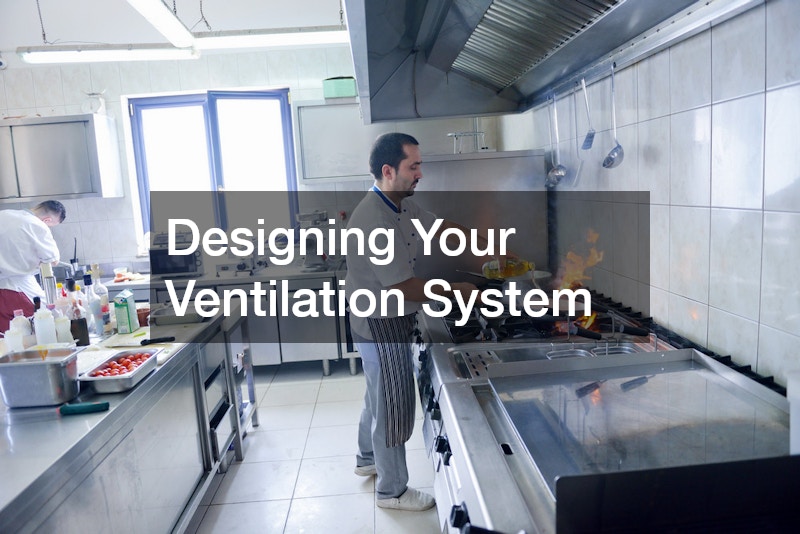
The importance of a properly engineered air management infrastructure cannot be overstated when planning the physical layout of a food service operation. A high-functioning airflow system is critical not only for maintaining a comfortable environment for the staff and patrons but also for strict compliance with rigorous building codes and fire safety regulations. The continuous removal of smoke, steam, grease-laden vapors, and excessive heat is essential for preventing hazardous conditions and ensuring the longevity of the physical structure.
Constructing this vital infrastructure requires highly specialized engineering and a deep understanding of the specific output of the chosen cooking appliances. Every hood, duct, and fan must be precisely calculated to handle the maximum potential load of the operation without creating negative air pressure within the building. Contracting a reputable service for a local commercial kitchen exhaust installation is a non-negotiable step in this process, as these professionals possess the necessary expertise to navigate complex municipal codes and design a system that operates safely and efficiently. Their involvement ensures that the intricate network of ductwork is properly routed and the appropriate fire suppression systems are seamlessly integrated.
Securing Your Cold Storage
The preservation of perishable ingredients is a fundamental pillar of food safety and inventory management in any hospitality setting. Establishing reliable and capacious cold storage solutions is essential for preventing rapid spoilage, minimizing expensive food waste, and ensuring that all raw materials are held at precise temperatures prior to preparation. The scale of the storage needed will dictate the overall footprint of the facility, often requiring significant square footage to be dedicated to walk-in coolers and deep freezers.
Implementing these massive cooling systems involves complex mechanical engineering and strict adherence to environmental regulations regarding refrigerants. The selection and placement of compressors, evaporators, and insulated panels require precise execution to guarantee uniform temperature distribution and energy efficiency. Partnering with established commercial refrigeration companies is crucial for designing and erecting these essential units, as their technicians can customize the dimensions and cooling power to perfectly match the specific demands of the facility. These experts also provide vital ongoing maintenance and emergency repair services, ensuring that a sudden mechanical failure does not result in the catastrophic loss of valuable inventory.
Installing Your Water Systems
A robust and highly reliable water distribution and disposal network is the unseen backbone of any sanitary food preparation environment. The immense volume of water utilized daily for washing ingredients, sanitizing dishes, operating heavy machinery, and maintaining clean facilities demands an infrastructure that goes far beyond standard residential capabilities. Every sink, dishwasher, ice machine, and floor drain must be meticulously integrated into a cohesive system that ensures adequate pressure, proper temperature control, and the safe removal of wastewater.
Executing this complex network of pipes, valves, and specialized fixtures requires licensed expertise to guarantee compliance with stringent health department regulations. The installation of essential components such as high-capacity grease traps, backflow prevention devices, and specialized sanitation sinks is completely non-negotiable for obtaining the necessary operational permits. Hiring an experienced commercial plumber is absolutely essential to navigate these stringent requirements and construct a watertight infrastructure that can withstand the relentless demands of a bustling hospitality environment. Their specialized knowledge ensures that the entire system is properly sized, correctly vented, and strategically laid out to prevent devastating water damage and maintain hygiene standards.
Wiring Your Electrical Appliances

The modern culinary environment is heavily reliant on a vast array of high-powered equipment, making a robust and exceptionally safe electrical infrastructure an absolute necessity. The power demands of industrial ovens, massive refrigeration units, advanced point-of-sale networks, and sophisticated lighting systems require a carefully calculated distribution of electricity that far exceeds standard commercial property capabilities. Careful planning must go into determining the specific voltage and amperage requirements for every single piece of machinery.
Constructing this complex web of circuits, panels, and heavy-duty outlets demands the highest level of technical proficiency and strict adherence to the national electrical code. Specialized wiring is often necessary to handle the immense load of major appliances, and emergency backup systems must be thoughtfully integrated to protect delicate electronic systems and preserve perishable inventory during unexpected power grid failures. Securing the services of a certified commercial electrician is critical to ensuring that the entire power grid is designed and installed safely, efficiently, and legally. These highly trained professionals will calculate the necessary load capacities and guarantee that the facility passes all mandatory safety inspections.
Coordinating Your Physical Relocation
The process of transitioning from the planning phase to the physical occupation of a new facility is a monumental logistical challenge that requires meticulous coordination and precise timing. Transporting massive pieces of heavy equipment, fragile dining room furniture, and extensive initial inventory into a newly constructed or renovated space is fraught with potential complications. The logistical ballet of scheduling deliveries, managing temporary storage, and carefully maneuvering oversized items through narrow corridors requires a comprehensive strategy to avoid damaging the new property or the expensive assets themselves.
Executing this complex logistical operation safely and efficiently requires specialized labor and heavy-duty transportation equipment that standard residential relocation services simply cannot provide. Engaging the services of dedicated commercial movers ensures that all valuable assets are transported safely, unloaded systematically, and placed exactly according to the predetermined floor plan. Their expertise minimizes the risk of costly property damage during the move and allows the ownership team to focus entirely on the final preparations for opening day.
Maintaining Your Health Standards
The absolute paramount priority in any food service operation is the unwavering commitment to impeccable hygiene and strict adherence to all municipal health regulations. Maintaining a pristine environment is not just about passing rigorous, unexpected inspections; it is fundamentally about protecting the health and safety of every single guest who walks through the doors. The rapid accumulation of grease, the potential for cross-contamination, and the constant threat of pest infestations require a relentless and comprehensive sanitation strategy that encompasses every inch of the facility.
While daily upkeep is the responsibility of the internal team, the intense demands of the environment periodically necessitate a level of deep sanitation that goes beyond standard daily scrubbing. Heavy grease buildup in ventilation hoods, deep-seated grime behind massive cooking appliances, and the sterilization of complex mechanical components require highly specialized chemicals and specialized techniques to resolve safely. Contracting with professional kitchen cleaning services provides the necessary expertise to execute these deep sanitation procedures, ensuring that the facility remains entirely compliant with the strictest health codes. These specialized crews utilize industrial-grade equipment to eradicate hidden hazards and safeguard the establishment.
Expanding Your Revenue Streams

In a highly competitive and notoriously unpredictable industry, maximizing profitability often requires looking beyond the traditional model of on-premise dining to explore alternative avenues for generating income. Diversifying the ways in which a culinary brand interacts with the consumer market can provide a crucial financial buffer during slow seasons and significantly accelerate the return on the initial capital investment. Exploring options such as branded merchandise, proprietary retail products, or specialized event hosting can dramatically expand the reach of the brand and tap into entirely new customer bases.
One of the most effective and natural expansions for a well-established culinary operation is to offer services that bring the dining experience directly to the client’s chosen location for special events. This approach allows the business to leverage its existing culinary talent and bulk purchasing power to service large groups for weddings, corporate retreats, and private celebrations. Establishing a robust catering division requires specific logistical planning, including the acquisition of specialized transport equipment, mobile holding cabinets, and dedicated presentation materials. By successfully executing off-site events, the business not only generates significant additional revenue but also effectively markets its capabilities to a large captive audience.
Embarking on the journey of launching a new food service establishment is undeniably one of the most challenging and rewarding endeavors an entrepreneur can pursue. The path from initial conceptualization to the grand opening is fraught with complex decisions, significant financial risks, and a relentless demand for meticulous attention to detail across every facet of the operation. As illustrated throughout this guide, success in this demanding field requires far more than just exceptional culinary skills; it demands a profound understanding of logistics, infrastructure, regulatory compliance, and strategic business management. Ultimately, the meticulous groundwork laid during the pre-opening phases serves as the unbreakable foundation upon which a thriving, resilient, and profitable enterprise is built. With unwavering dedication, careful strategic planning, and a deep respect for the complexities of the industry, aspiring restaurateurs can transform their visionary culinary concepts into enduring and beloved community institutions.