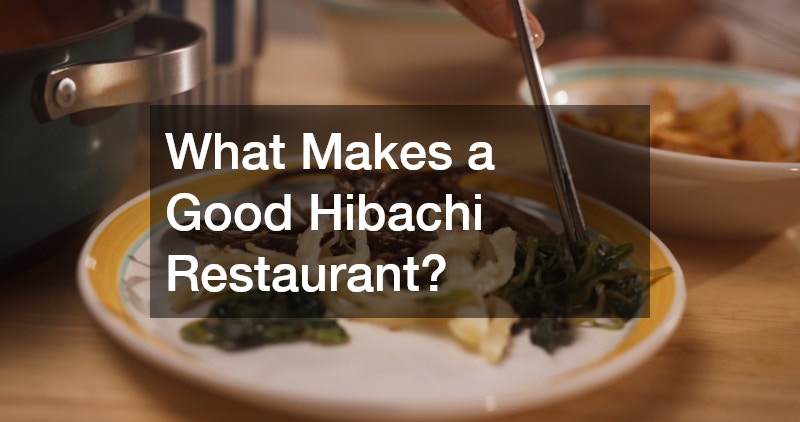
A quality hibachi restaurant offers more than just a meal; it delivers an authentic culinary journey that captivates the senses. From the moment diners enter, the aromas of grilling meats and fresh vegetables immediately create an inviting atmosphere unique to hibachi dining. Every dish is expertly prepared in front of the customers, providing transparency and assurance of the ingredients’ freshness.
The chefs perform with precision and flair, ensuring each ingredient is cooked to perfection while maintaining its nutritional richness. This commitment to authenticity not only satisfies customers’ palates but also their appreciation for traditional Japanese cuisine.
The visual appeal of hibachi dining extends beyond the food itself, with the interactive cooking style playing a pivotal role. Skilled chefs dazzle diners with their knife skills, rhythmic food tossing, and artful presentation, turning a meal into an unforgettable show. This blend of entertainment and dining is what sets a good hibachi restaurant apart, creating memorable experiences that keep customers returning. Furthermore, the meticulous attention to detail in both the performance and the meal preparation reflects a deep respect for the culinary arts and enhances the restaurant’s credibility. Such dedication is essential for crafting the ultimate hibachi experience.
In addition to the spectacular show, the quality of the ingredients plays a crucial role in the authenticity of a hibachi restaurant. Freshness is key; menus feature seasonal items that highlight the natural flavors of high-quality meats, seafood, and vegetables. A commitment to sourcing authentic and premium ingredients ensures each dish offers a true taste of Japan. Attention to sourcing high-quality produce, meat, and seafood not only contributes to the dishes’ flavor but also demonstrates the restaurant’s dedication to quality. When patrons savor each bite, they can appreciate the care and effort involved in delivering a genuine hibachi experience.
Atmosphere and Ambiance
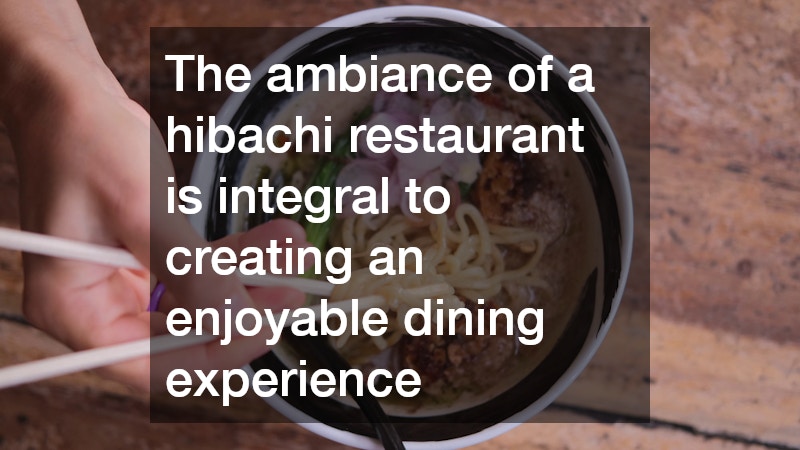
The ambiance of a hibachi restaurant is integral to creating an enjoyable dining experience. With a setting designed to transport diners to Japan, restaurants often incorporate elements such as tatami mats, traditional lanterns, and serene music. The layout usually accommodates open chef stations, allowing guests to feel involved in the culinary process while promoting a sense of community and shared experience. This interactive setup encourages diners to engage not only with the chefs but also with fellow patrons, fostering a convivial atmosphere. The sensory experience is not just limited to taste but encompasses sight, sound, and touch, crafting a memorable dining environment.
Lighting plays a significant role in setting the mood of a hibachi restaurant. Soft, warm lighting creates an intimate and relaxed atmosphere, contrasting with the vibrant dynamics of the cooking stations. It ensures that the focus remains on the chefs’ performances and the vivid colors of the ingredients as they are expertly handled. The convergence of lighting, music, and decor further establishes an exotic and inviting ambiance unique to hibachi restaurants. Together, these elements shape an environment where guests can savor each moment of their dining experience, enhancing the overall appeal of the restaurant.
The staff’s friendliness and professionalism are also crucial components of the restaurant’s atmosphere. A well-trained team ensures seamless service and attends to customers’ needs with promptness and courtesy. The chefs, in particular, play a vital role in establishing a rapport with diners, adding a personal touch to the meal with their engaging performances and affable interactions. Such hospitality leaves a lasting impression, making guests feel valued and appreciated. By delivering warm and welcoming service, a hibachi restaurant not only satisfies customers’ culinary cravings but also their desire for connection and enjoyment.
Quality of Service
Exceptional service is a hallmark of any good hibachi restaurant, contributing significantly to the overall dining experience. From the moment customers step inside, they should feel attended to by attentive and knowledgeable staff eager to guide them through the menu and ensure their satisfaction. Prompt greeting and seating set the tone for the meal, establishing a positive first impression that is crucial for customer retention. The staff’s familiarity with the menu and ability to make informed recommendations enhance the dining experience, providing customers with confidence in their selections. Effective service is an integral part of what makes a hibachi restaurant stand out.
Efficiency and coordination are key aspects of service in hibachi dining. Given the interactive nature of the experience, a good hibachi restaurant ensures timely coordination between the kitchen and service staff. This ensures that meals are delivered promptly, allowing guests to enjoy hot and freshly prepared dishes without unnecessary delays. Timeliness in service reflects the restaurant’s commitment to customer satisfaction and signals a well-managed establishment. When service runs smoothly, it contributes to a stress-free atmosphere that enables guests to fully indulge in the hibachi experience.
Whether celebrating a special occasion or simply seeking a unique dining experience, patrons look for more than just great food. They seek an environment that fosters enjoyment, connection, and cultural appreciation. By mastering the art of hibachi dining, restaurants can meet and exceed these expectations, ensuring a loyal and satisfied customer base. In essence, a good hibachi restaurant is one that consistently creates delicious memories long after the meal is over.